
01
theory of change
The most effective approach is already designed by nature, and biomimicry is the process of learning it. The change proposed here starts from that premise: replace a material that ignores the ecology with one that belongs to it.
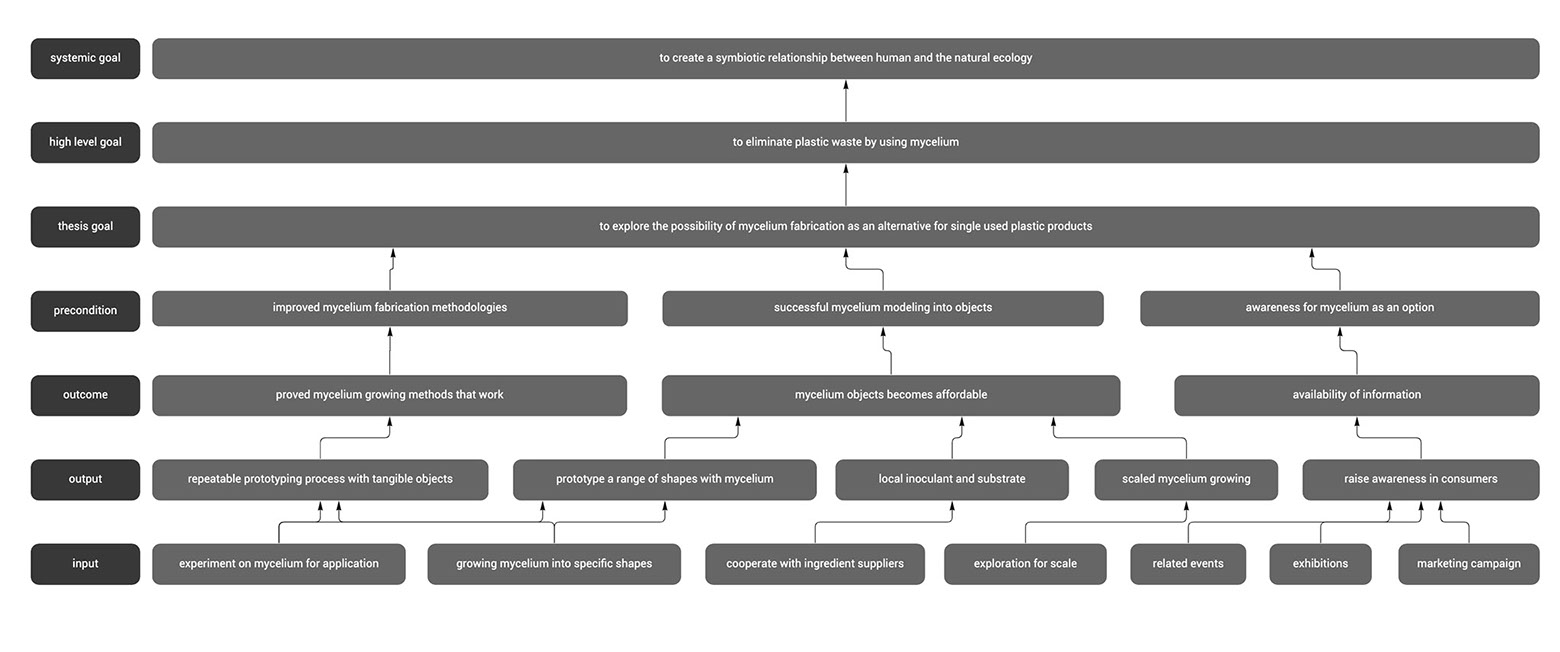
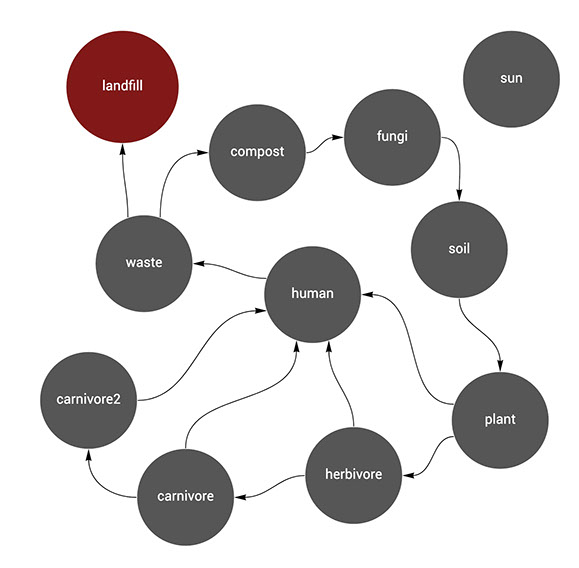
The wider argument: land use, atmospheric carbon, the difference between natural circulation and industrial extraction, and a model in which humans and fungi keep each other's conditions alive.
The most effective approach is already designed by nature, and biomimicry is the process of learning it. The change proposed here starts from that premise: replace a material that ignores the ecology with one that belongs to it.
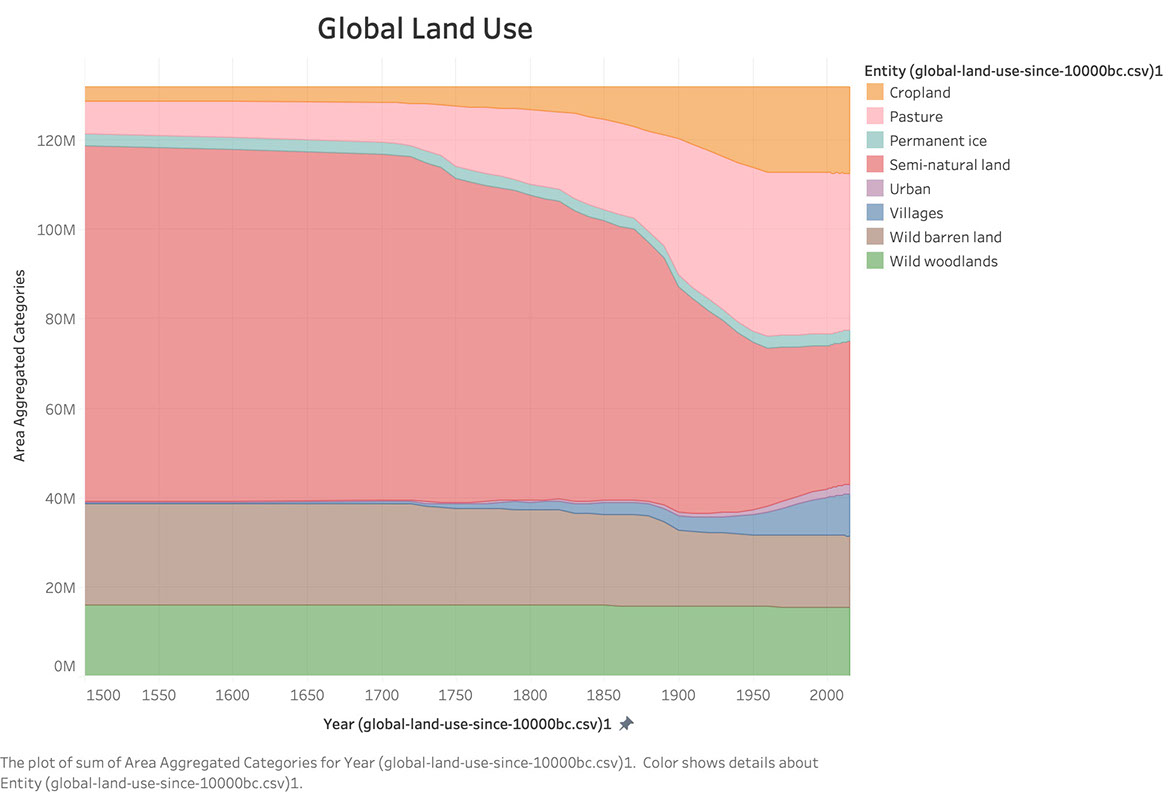
In recent centuries humans converted a large share of the planet's land from wild landscapes into cropland and pasture, and the area left as nature has roughly halved. Half of the land surface now serves one species.
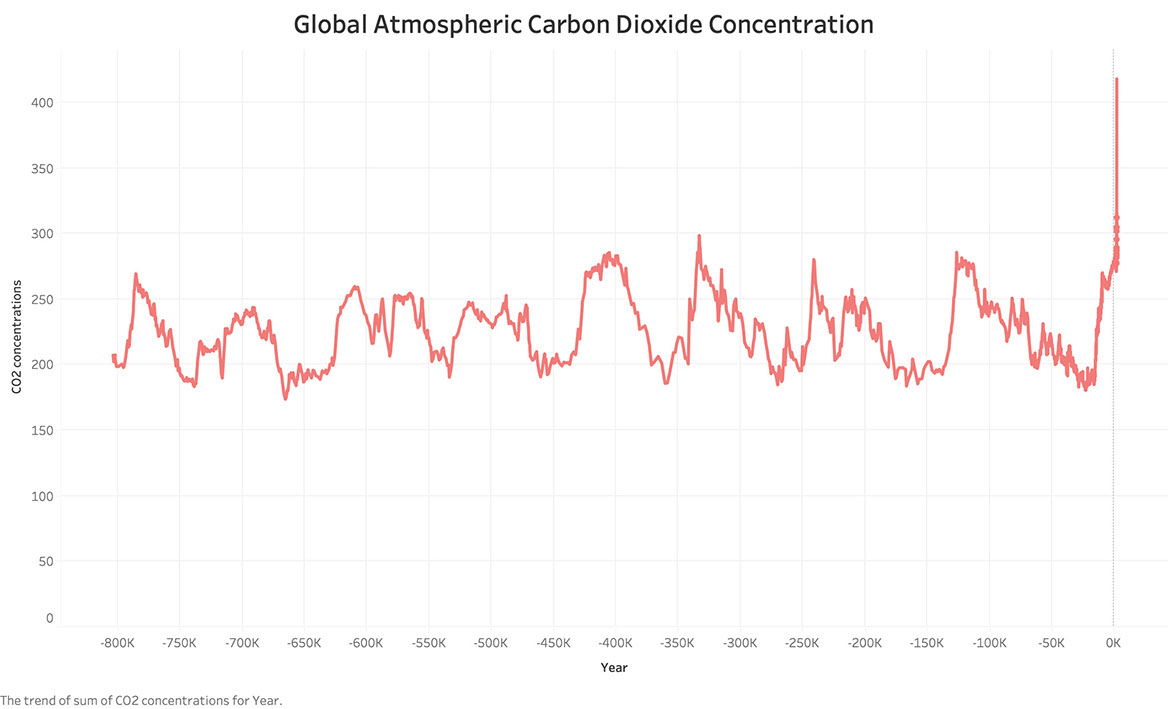
Carbon dioxide stayed inside a narrow band for most of Earth's history. In the last five hundred years the concentration has risen sharply and roughly doubled against the earlier average, with no sign of returning.
In an ecology, matter moves in loops and nothing becomes waste. Industrial production turned matter into goods and goods into trash, and a landfill takes centuries to rejoin the loop, if it ever does.
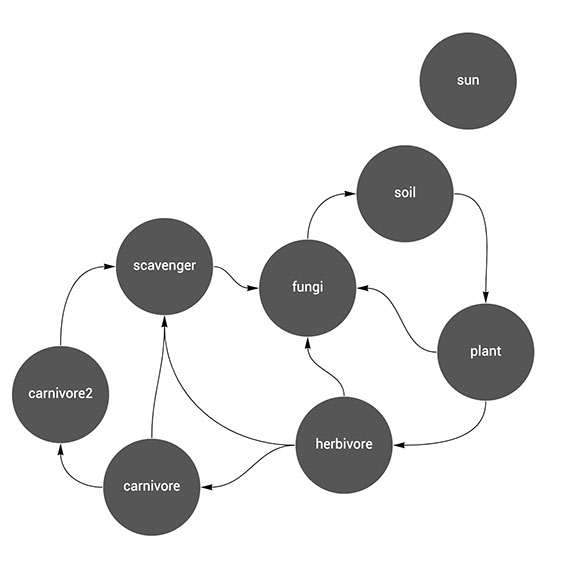
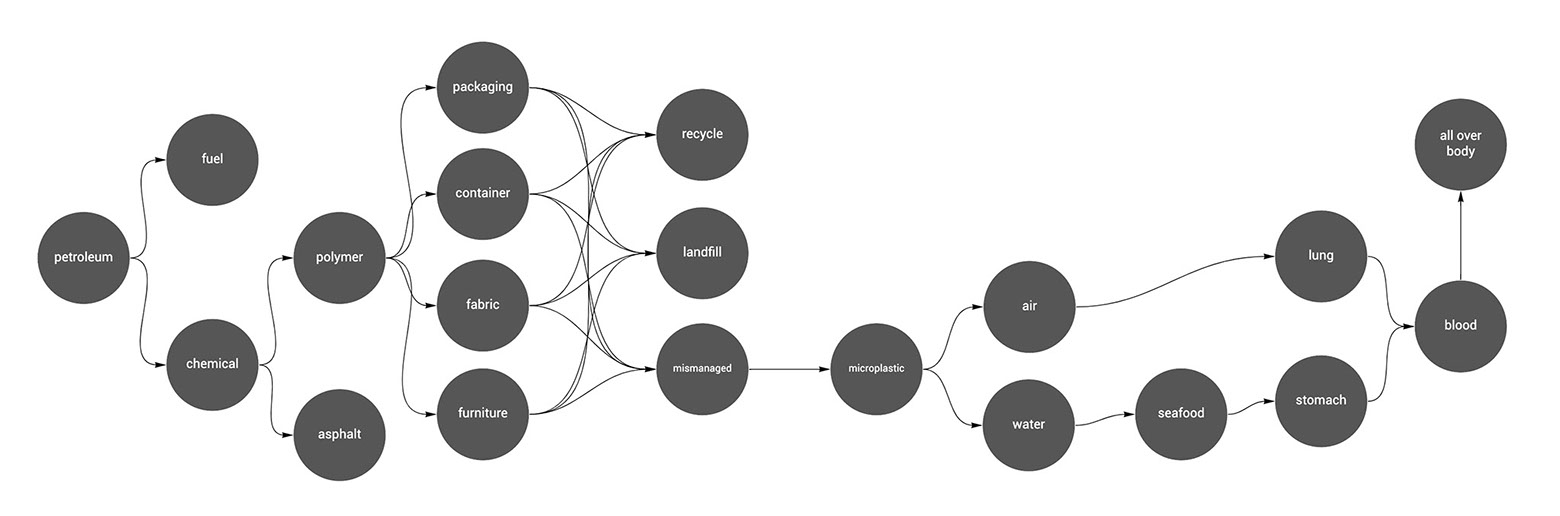
Synthetic polymer is the first material humans made that does not participate in the ecology. When it fragments it does not disappear; it reaches drinking water, lungs and blood vessels as microplastic.
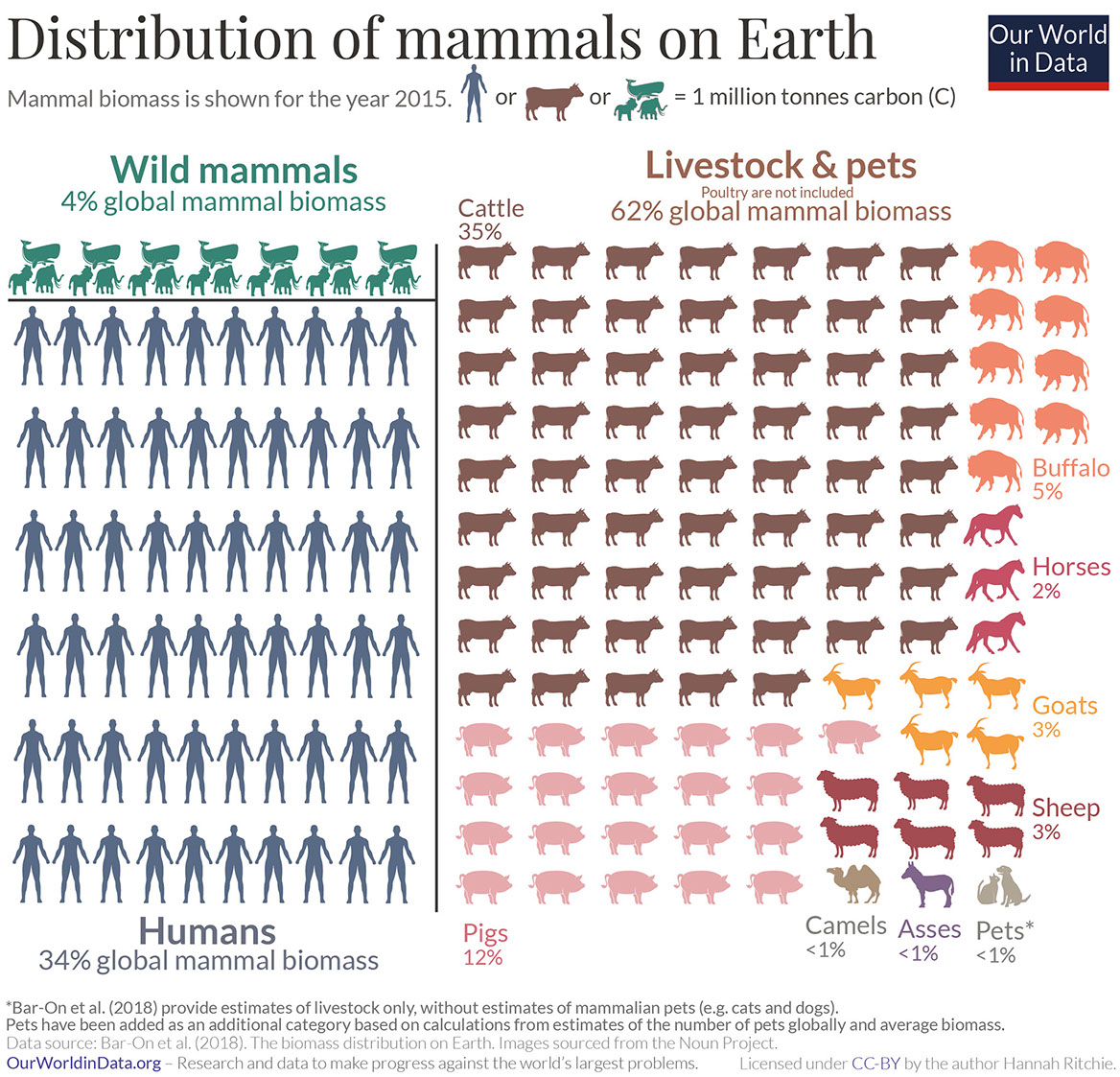
Humans are a very small share of life on Earth, yet take a disproportionate share of its resources. No single egg stays intact in a fallen nest, and no single species thrives in a collapsed ecosystem.
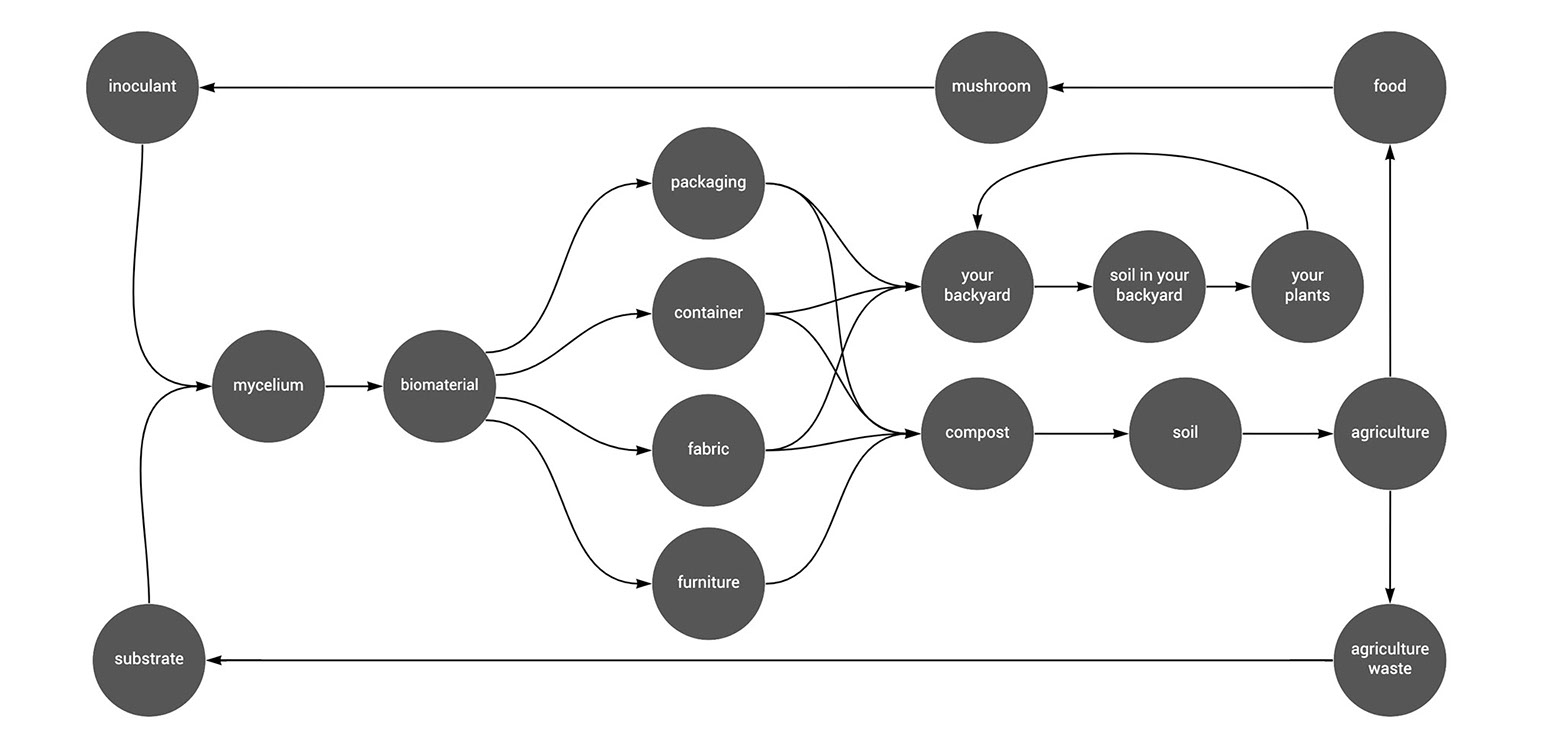
Mycelium does what plastic cannot: it grows from agricultural waste and returns to the soil. If humans keep the growing conditions stable, the fungus keeps producing material. That exchange — conditions for material — is what we mean by symbiosis.
quote
“No single species can thrive in a collapsed ecosystem.
artifungus, study notes
Have a question about this stage, or want to bring it into a class or an exhibition?
discuss this project