projects

four stages

Each stage answers the question left by the one before it: what is plastic doing, why does it stay, what can replace it, and what would living with that replacement require.

01encounter02dive03sprout04symbiosis
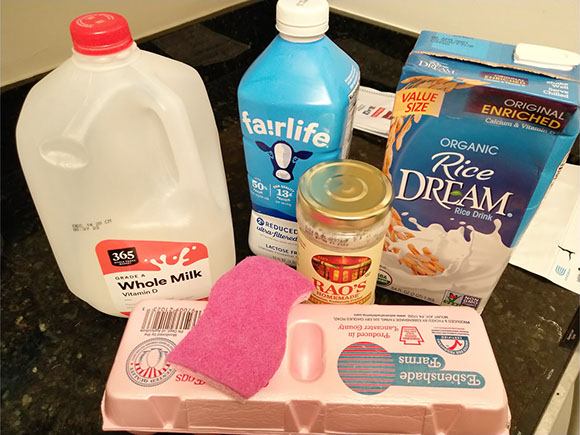
Plastic packaging collected on a kitchen counter
01

encounter

a trash diary, and what the polymer leaves inside us

A week of sorting household waste became a short history of synthetic polymers, from the ivory substitute of 1869 to the microplastics now found in water, blood and lungs.

enter project
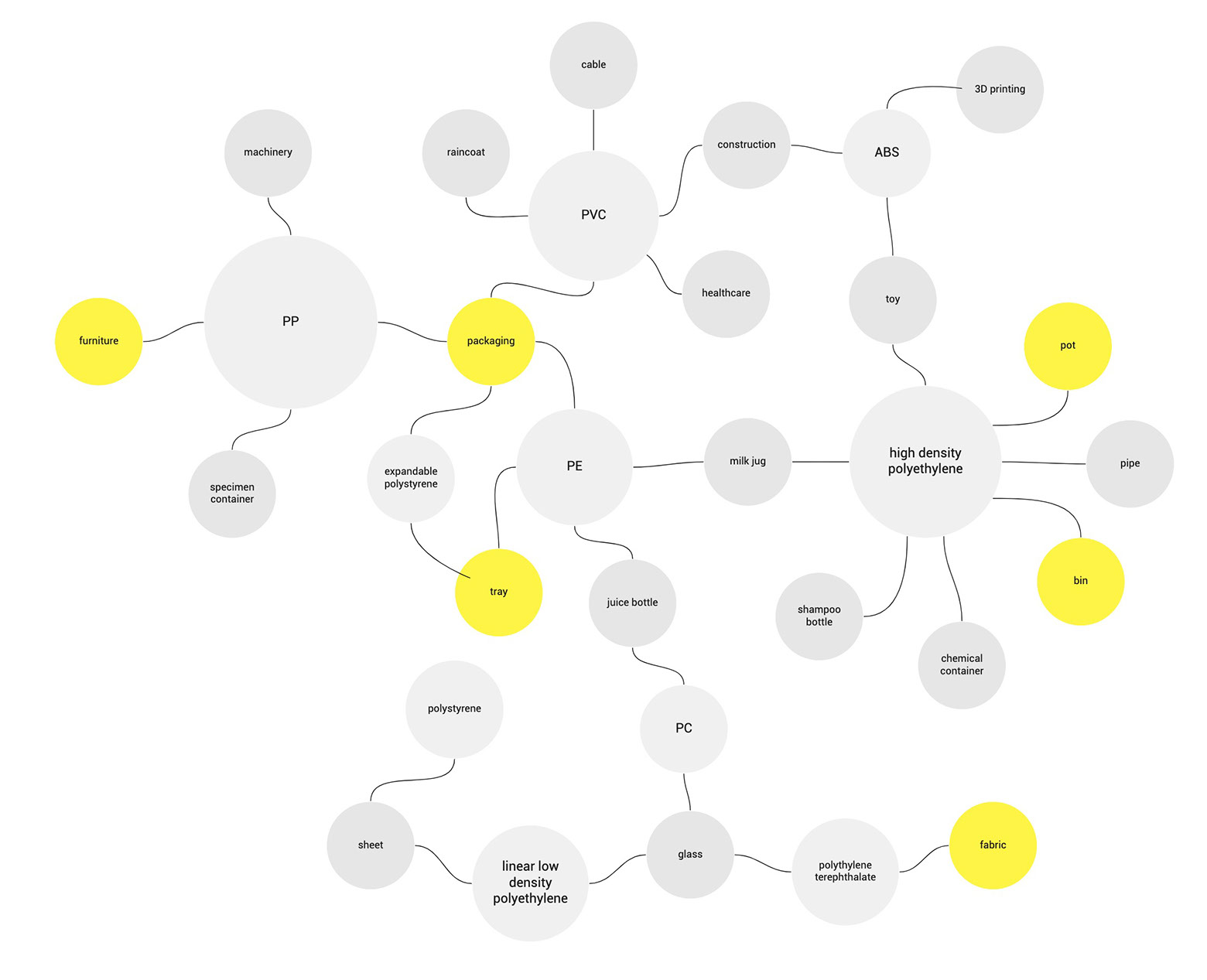
Network diagram linking plastic polymers to everyday products, with key uses in yellow
02

dive

from the shelf to the bin, and out to sea

What the word polymer actually covers, why the numbered codes on packaging are not recycling marks, and how eight million tonnes of plastic reach the ocean every year.

enter project
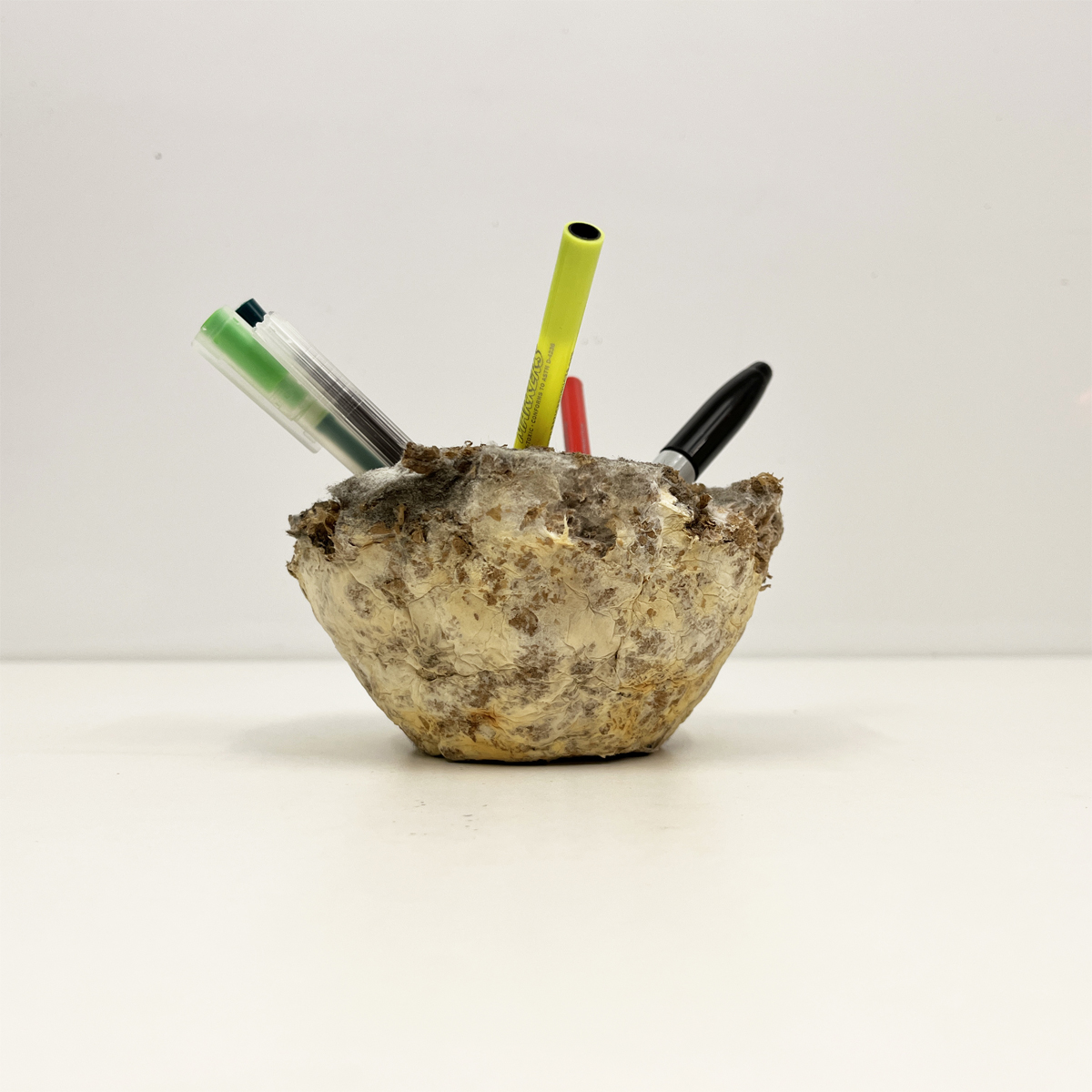
A pen pot grown from mycelium holding pens and pencils
03

sprout

co-designing with mycelium

An interspecies design process that treats mycelium as a collaborator: choosing strains, preparing agricultural substrate, and growing simple containers instead of moulding them.

enter project
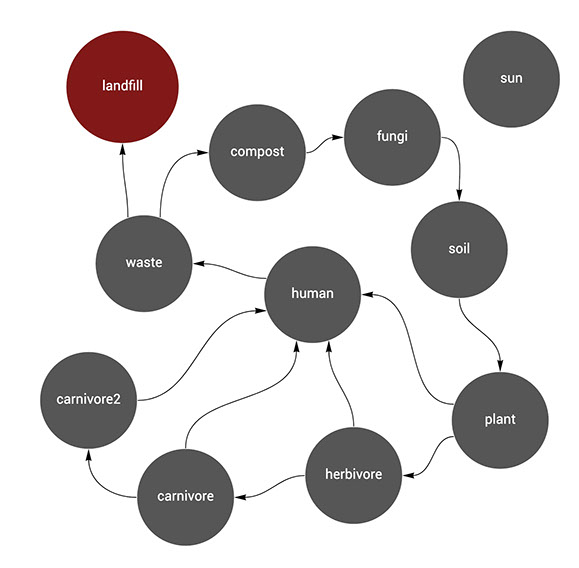
Diagram of the food web with human waste routed to landfill
04

symbiosis

the model we propose

The wider argument: land use, atmospheric carbon, the difference between natural circulation and industrial extraction, and a model in which humans and fungi keep each other's conditions alive.

enter project

After four stages, the open question is who keeps the growing conditions alive.

discuss the study