
01
our trash is plastic
To see what a household actually throws away, every item was photographed and sorted by material for a week. Plastic packaging — mostly containers and film — took the largest share of the bag.
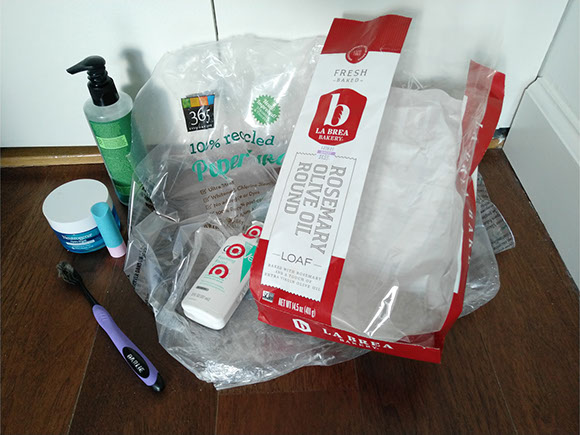
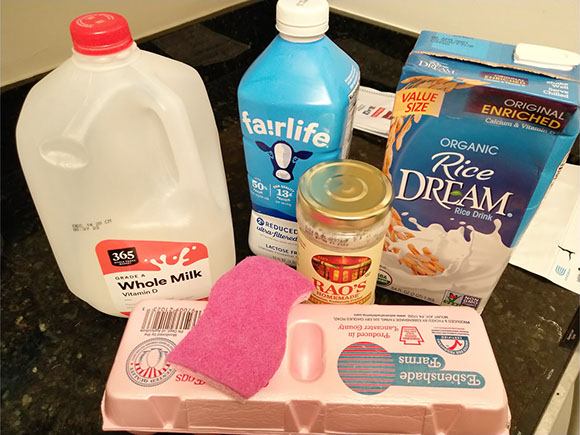
A week of sorting household waste became a short history of synthetic polymers, from the ivory substitute of 1869 to the microplastics now found in water, blood and lungs.
To see what a household actually throws away, every item was photographed and sorted by material for a week. Plastic packaging — mostly containers and film — took the largest share of the bag.
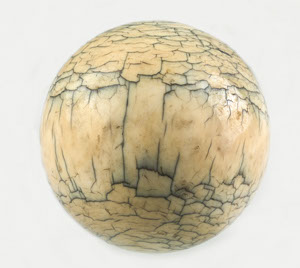
In 1869 a billiard company offered a prize for a substitute for ivory. The winning material was the first synthetic polymer: a chain of molecules nature had never assembled. It was also the first manufactured object that would not return to the ecology it came from.
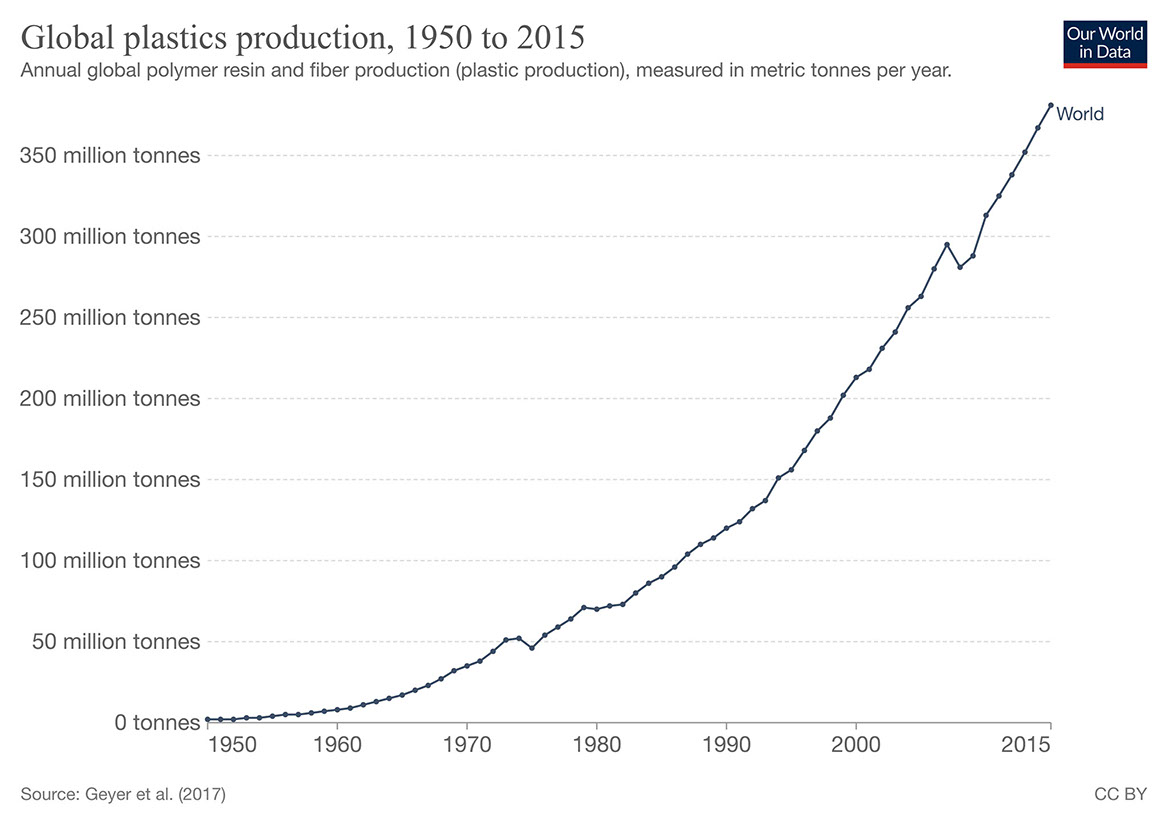
Bakelite arrived in 1907 as an electrical insulator. Wartime shortages pushed production further, and by 2015 the world produced more than 381 million tonnes of plastic in a single year.
A review from the Medical University of Vienna estimated that people may ingest around five grams of plastic each week, mainly through drinking water and seafood. Later studies reported polymer particles in human blood and in lung tissue, including the deepest regions of the lung.
quote
“Once the plastic is in the environment, we can't really get it out.
Evangelos Danopoulos, Hull York Medical School
Have a question about this stage, or want to bring it into a class or an exhibition?
discuss this project